BN Health Forum Melbourne: Navigating Health - Innovation, Access and the Patient Journey

media
event information
Thursday, 20 August 2026
Keynote presentation: 4:00pm | Panel session: 5:15pm | Networking & drinks: 6:30pm
Hyatt Centric Melbourne, 25 Downie Street, Melbourne

As workforce pressures, an ageing population and the rise of multimorbidities intersect with changing patient expectations and rapid technological advancement, new challenges are emerging across regulation, claims and frontline clinical service delivery.

This year’s Health Forum will explore key issues impacting the healthcare and life sciences sectors and what they mean for patients navigating the system.

In a standout keynote, one of Australia’s most recognised sporting figures and passionate health advocates will share their experience navigating the health system with a complex and chronic condition, offering a deeply personal perspective. Building on this, our expert panel will explore the trends shaping complex care in today’s landscape. Through practical discussion and shared insights, our speakers will unpack the legal and operational implications for life sciences organisations, healthcare providers and insurers.

Together, they will offer a clear and practical view of what’s working, where pressure points are emerging, and what the future may hold.

BN’s Health Forum is a must-attend event for professionals working in or alongside healthcare and life sciences who want to stay up to date on the trends and issues affecting the sector.

Following the final session, attendees are invited to join us for drinks and canapés to continue the conversation with colleagues across the industry.

Program

  • Session 1: From Podium to Patient: Living Through Diagnosis and Ongoing Care

    Keynote session presented by Michael Klim OAM – one of Australia’s most recognised sporting figures and passionate health advocates.

    Serious illness is rarely just a medical issue. It brings questions of access, timing and advocacy, often at a point when people are already vulnerable.

    After retiring from elite sport, Michael Klim’s life shifted dramatically following his diagnosis of Chronic Inflammatory Demyelinating Polyneuropathy (CIDP), a rare autoimmune condition affecting the peripheral nervous system. His experience of delayed diagnosis, treatment access and ongoing care provides a grounded insight into the realities faced by people living with complex and chronic illness.

    In this session, Michael will share his personal journey of adapting to profound physical uncertainty following a career built on performance and control. He will speak candidly about the emotional and practical challenges of navigating healthcare systems, and how delays or gaps in care can directly affect independence, recovery and quality of life.

    Drawing on lived experience, Michael offers a human lens on the importance of early intervention, coordinated care and patient advocacy, and how healthcare delivery, insurance decision-making and system design intersect in patient journeys.

  • Session 2: Complex Care: Perspectives on Technology, Law and Clinical Practice

    Panel session moderated by Natalie Laidlaw, Professional Indemnity Claims Lead, CGU Insurance, with panellists:

    Complex and chronic illness rarely fits neatly within one part of the healthcare system. Care is delivered over time, across multiple providers, and often at vulnerable points in a patient's journey. Advances in technology, diagnostics and digital health are creating new opportunities to support earlier detection, improve treatment pathways and strengthen coordination of care. At the same time, increasing demand, workforce pressures and rising rates of chronic disease continue to test healthcare systems and those working within them.

    Building on the lived experience shared in Michael's opening keynote, our panel brings together leading voices from medicine, healthcare law, insurance and healthcare risk to examine how emerging technologies and new models of care are influencing the management of complex and chronic conditions. The discussion will consider both the opportunities these developments present and the practical, legal and systemic challenges that accompany them.

    Reflecting the realities of contemporary healthcare, the panel will explore how innovation, governance and clinical practice intersect, and what this means for patients, providers and the future delivery of care.

Meet our speakers

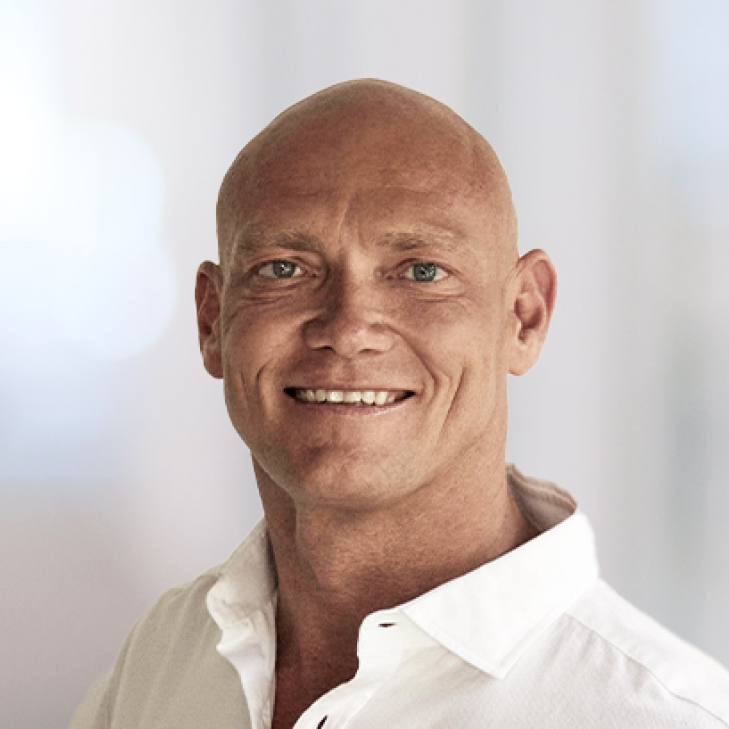
  • Michael Klim OAM

    media

    Michael Klim is one of Australia’s most recognised athletes, having competed at the highest level of international swimming for more than a decade.

    A four-time Olympian, he built his career on discipline, routine and performance. He won multiple Olympic and World Championship medals, including gold as part of Australia’s 4x100m freestyle relay at the Sydney 2000 Olympic Games. He also set world records during his career.

    Things look very different for Michael now.

    In recent years, he has been living with Chronic Inflammatory Demyelinating Polyneuropathy (CIDP), a rare autoimmune condition affecting the peripheral nervous system. His experience navigating a complex path to diagnosis, treatment and ongoing care has given him a deep understanding of what people can face when something serious affects their health.

    Alongside managing these changes in his own life, Michael has stepped into a much bigger role in the health space. He is a founder of the Klim Foundation, which focuses on raising awareness of CIDP in Australia and supporting others living with the condition. He continues to advocate for earlier diagnosis, better coordination of care and a system that works more effectively for patients.

    Michael brings a candid and deeply personal perspective on what happens when the system does not always work as it should, and why getting it right matters.

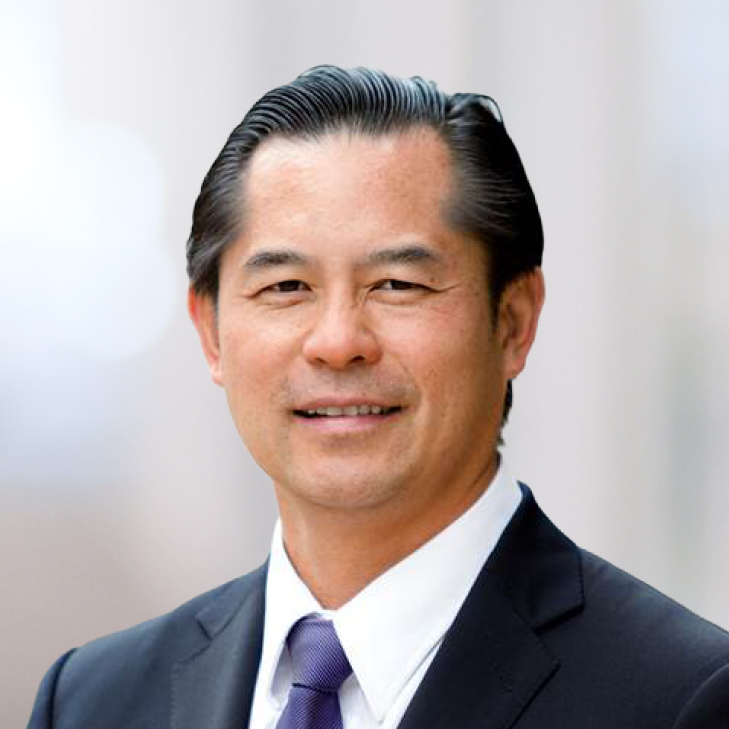
  • Professor Meng Law, Monash University and Alfred Health

    media

    Meng Law is a Professor of Neuroscience and Director of iBRAIN -integrated Biomedical Research in AI and Neuroimaging at Monash University and Program Director of Radiology and Nuclear Medicine, Alfred Health. He is an internationally recognised clinician-researcher with expertise in advanced medical imaging, diagnostics and the application of emerging technologies in healthcare. His work focuses on harnessing imaging, artificial intelligence and data-driven approaches to improve the diagnosis, management and monitoring of complex health conditions.

    Through his research and clinical leadership, Professor Law has been at the forefront of developing and translating innovative diagnostic tools that support earlier detection, more personalised treatment pathways and improved patient outcomes. He works closely with healthcare providers, researchers and industry partners to advance the integration of new technologies into clinical practice and drive more effective models of care.

    Drawing on his extensive experience across medical imaging, AI and healthcare innovation, he brings valuable insights into how emerging technologies are reshaping the management of complex and chronic conditions. His work explores the role of advanced diagnostics, artificial intelligence and novel AI augmented models of care in supporting earlier detection, improving care coordination and delivering better outcomes for patients.

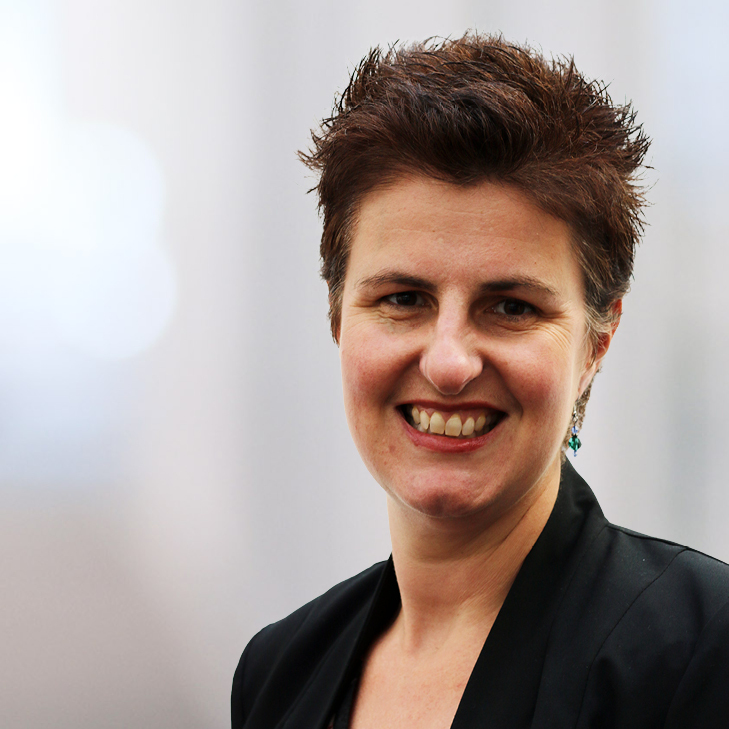
  • Associate Professor Megan Prictor, The University of Melbourne

    media

    Dr Megan Prictor is an Associate Professor at Melbourne Law School and co-director of the Health, Law and Emerging Technologies research program. Her research examines how law, policy and regulation shape the adoption and safe use of health technologies and affect how patients navigate increasingly complex systems.

    Her work informs policy development and legal reform at the intersection of healthcare and emerging technologies, with a focus on clinical practice and the patient experience. She specialises in the legal and governance frameworks that underpin healthcare delivery, including questions of access, privacy, consent and equity.

    Dr Prictor also analyses how evolving care models, digital health innovations and changing legal settings are affecting the management of complex and chronic conditions—shaping outcomes for patients, providers, regulators and the wider health system.

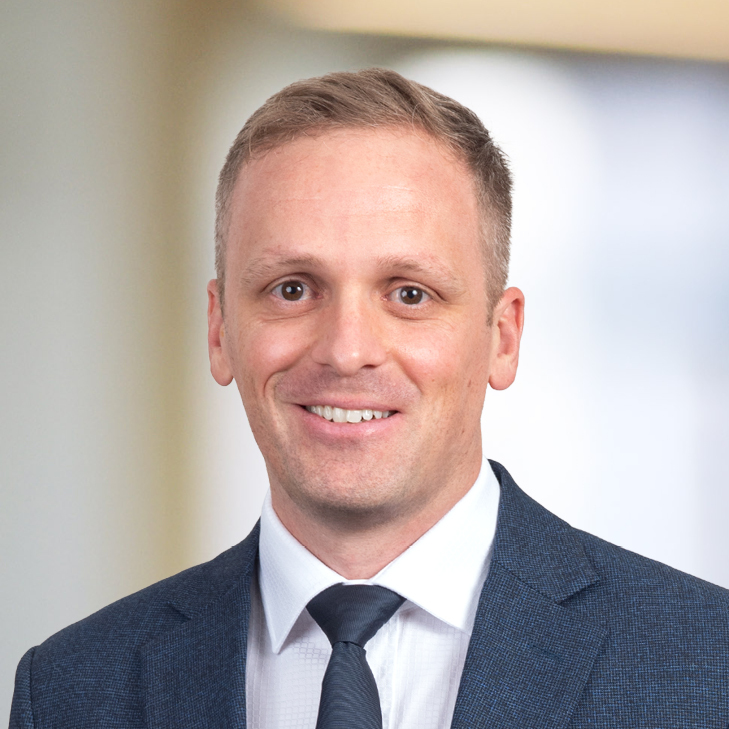
  • Dr Christopher Pearce, Macquarie and Monash University

    media

    Dr Christopher Pearce is a practising general practitioner, digital health leader and Honorary Associate Professor with extensive experience across primary care, health technology and healthcare reform. As Principal of Pearce Korda Consulting, he advises organisations across the health sector on digital transformation, innovation and the delivery of connected, patient-centred care.

    A recognised leader in healthcare innovation, Dr Pearce has worked extensively with government, industry and health services to improve health outcomes through technology, data and system-wide reform. He has contributed to numerous national initiatives focused on digital health, quality improvement and healthcare policy.

    Dr Pearce brings a unique perspective that combines frontline clinical experience, academic expertise and deep insight into the opportunities and challenges shaping the future of healthcare.

  • Scott Shelly, Barry Nilsson

    media

    Scott Shelly is a Principal in Barry Nilsson's Insurance & Health team, based in Melbourne. He works closely with insurers, healthcare providers and health practitioners, advising on complex medical negligence, liability and coverage matters. With extensive experience across the healthcare sector, Scott regularly advises on regulatory, risk and policy issues, including those arising from emerging models of care and evolving patient needs. Drawing on his expertise working with healthcare organisations and clinicians, Scott brings valuable insights into the legal, operational and risk considerations that shape healthcare delivery and patient outcomes.

  • Natalie Laidlaw, CGU Insurance

    media

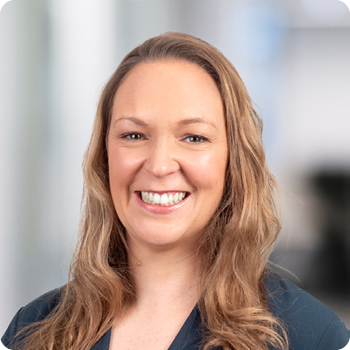
    Natalie Laidlaw is the Professional Indemnity Claims Lead at CGU Insurance, bringing extensive expertise in professional indemnity, health law and complex claims management.

    Natalie has significant experience managing professional indemnity claims involving a broad range of professionals, including allied health practitioners, medical practitioners and pharmacists. She has also worked extensively on matters involving healthcare organisations and practitioners, including negligence claims, privacy complaints, defamation matters and regulatory investigations.

    Prior to joining CGU, Natalie was a Special Counsel in Barry Nilsson's Insurance & Health team, where she acted for insurers and insureds across Australia in complex professional indemnity and health-related matters. Drawing on her unique combination of legal and insurer-side experience, Natalie brings a practical and commercially focused perspective to claims management, with a strong understanding of both insurer and insured.

Attend with Purpose

Supporting CIDP Awareness

This year, we’re proud to support the Klim Foundation and the important work they are doing to raise awareness of Chronic Inflammatory Demyelinating Polyneuropathy (CIDP) in Australia. For every guest in attendance, BN will donate $20 to help support their advocacy, education and awareness initiatives.

CIDP is a rare neurological condition that can have a significant impact on individuals and their families. By attending, you’re not only joining valuable conversations but also helping to increase awareness and support those navigating life with this condition.

BN is committed to creating positive community impact through volunteering, fundraising and meaningful partnerships.

Our support of the Klim Foundation helps support their advocacy, education and awareness initiatives.

Receive our latest news, insights and events
Barry Nilsson acknowledges the traditional owners of the land on which we conduct our business, and pays respect to their Elders past, present and emerging.
Liability limited by a scheme approved under Professional Standards Legislation